
Whitney is a college professor in engineering and an ordained interfaith minister. She has training in spiritual counseling, shamanic journey, and mindfulness.
Listening is an important part of making change. Below are some of the resources I have found that can help us listen better.
Principles for Good Conversations
In her book “Turning to One Another,” Margaret Wheatley outlines some basic guidelines for having deep and meaningful conversations. Her book goes into much more details about each of them, but these are good places to start.
- We acknowledge one another as equals
- We try to stay curious about each other
- We recognize that we need each other’s help to become better listeners
- We slow down so we have time to think and reflect
- We remember that conversation is the natural way humans think together
- We expect it to be messy at times
Active Listening
Many times, we listen to others only enough to find the nugget we need to make our point, or we don’t even listen at all, we listen only because if we listen we will get the opportunity to speak. Active Listening is about listening to hear what the other person has to say.

Avoiding the Ladder of inference
The ladder of inference is that ladder we climb when we take our experience and make conclusions (often rash and incorrect ones) about someone else’s behavior without consulting them first.

It is important that we take a moment to find the awareness of our ladder and back down it to find out the reality and facts of a situation. When we realize that we have created a story without any input from the other involved we can back down the ladder and start asking questions.
Good books and other resources for practicing good listening
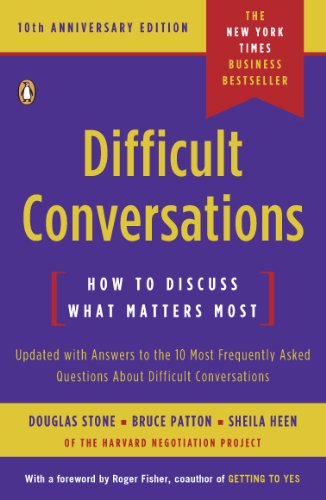
Difficult Conversations by Douglas Stone
The Book of Beautiful Questions by Warren Berger

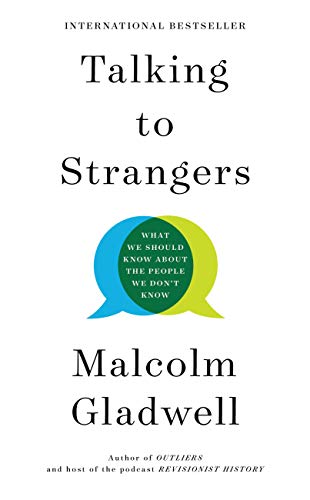
Talking to Strangers by Malcom Gladwell
 The Om Space